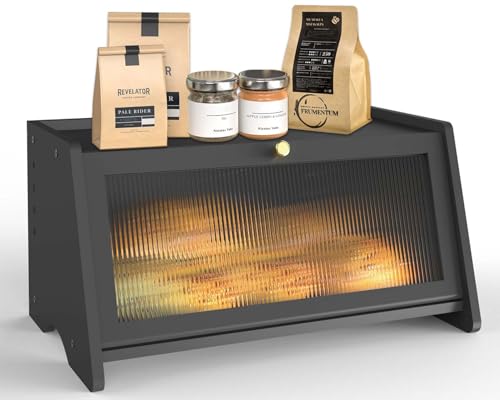
avoiding common pitfalls when buying eco friendly bamboo items
As consumers become increasingly aware of environmental issues, the demand for eco-friendly products continues to rise. Bamboo, known for its rapid growth and sustainability, has emerged as a popular choice for various items, from kitchenware to clothing. However, buying eco-friendly bamboo products is not without its challenges. In 2026, it is essential to be informed and careful in your purchasing decisions to ensure you are making a positive impact. Here are some common pitfalls to avoid when buying bamboo items.
Not Checking Certifications
One of the most significant mistakes consumers make is not checking for certifications that verify the sustainability of bamboo products. Look for certifications such as the Forest Stewardship Council or the Global Organic Textile Standard. These organisations ensure that the bamboo is sourced from sustainable farms and that ethical practices are upheld. Without proper certification, you may inadvertently support companies that do not adhere to environmentally friendly practices.
Ignoring the Production Process
Another common pitfall is failing to consider how the bamboo items are produced. Bamboo is often marketed as an eco-friendly material, but the production process can involve harmful chemicals and processes that negate its benefits. For instance, some bamboo textiles are processed using toxic substances like chlorine and formaldehyde. Always research the brand’s manufacturing processes and choose products that are produced using eco-conscious methods.
People Also Look For:
- iEGrow Washing Basket for Laundry 150L XLï¼Extra Large 2 Compartments Laundry Basket with Bamboo Handle and Lid, Dirty Clothes...
- Next To Me Bedside Crib Mattress 50x83 cm With Super Soft Bamboo Cover Perfectly Fits All Standard Bedside Cribs
- Tree of Life Bamboo Wind Chime Fair Trade and Natural Garden Outdoor Home Decor Coconut Shell
- Bamboo Bath Shelf 64 x 15 cm Bath Bridge Bath Attachment Bath Shelf Bamboo Wood Bath Shelf Brown
- HAVVIS Mens Boxers Super Soft Bamboo Boxer Shorts Long Leg Anti Chafing Underwear with Fly Boxer Briefs Multipack (UK, Alpha, L, R...
Overlooking Product Quality
It can be tempting to buy the cheapest bamboo items available, but this often leads to issues with quality. Low-quality bamboo products may not last long and could require replacements more frequently, ultimately leading to more waste. Invest in higher-quality, durable bamboo products that are designed to withstand regular use. Check customer reviews and product ratings to ensure you are making a wise choice.
Assuming All Bamboo is Eco Friendly
Not all bamboo products are created equal. While bamboo itself is a sustainable plant, the way it is farmed and processed can vary significantly. Some bamboo may come from plantations that displace local wildlife or contribute to deforestation. Always opt for brands that prioritise eco-friendly farming practices and transparency about their sourcing. Educate yourself on the different types of bamboo products available and choose those that align with your values.
Neglecting Maintenance Requirements
Many consumers do not consider the maintenance requirements of bamboo products before purchase. Bamboo items, especially kitchenware, require specific care to maintain their longevity. For instance, bamboo cutting boards should not be soaked in water or placed in the dishwasher. Instead, they should be gently hand washed and dried immediately. Make sure you are aware of the proper care instructions to avoid damaging your bamboo items, which could lead to premature disposal and increased waste.
Failing to Compare Brands
In the rush to purchase eco-friendly bamboo products, consumers often neglect to compare different brands. This can lead to missed opportunities for better quality, ethical production, or more competitive pricing. Take the time to research various brands, their practices, and customer feedback. Comparing products can help you make an informed decision and ensure that you are supporting companies that align with your eco-friendly values.
Not Considering the Full Lifecycle
When buying bamboo products, it is essential to consider their full lifecycle, from production to disposal. Many consumers focus solely on the initial purchase and overlook the environmental impact of the item's end-of-life. Research the recyclability or biodegradability of the products you are considering. Opt for items that can be composted or recycled to reduce waste and further support your sustainable lifestyle.