comparing biodegradable bamboo items versus plastic alternatives
As the world becomes increasingly aware of environmental issues, the demand for sustainable alternatives has surged. In 2026, biodegradable bamboo items are gaining traction as eco-friendly substitutes for plastic products. This article will explore the key differences between these two materials, highlighting the benefits and drawbacks of each.
Understanding Bamboo as a Sustainable Material
Bamboo is a fast-growing grass that can reach maturity in just three to five years, making it one of the most sustainable materials available. Its growth requires minimal water and no pesticides, which makes it an environmentally friendly choice. Biodegradable bamboo products break down naturally over time, returning nutrients to the soil and reducing landfill waste.
The Environmental Impact of Plastic
Plastic, on the other hand, is a synthetic material that has dominated consumer products for decades. While it offers durability and versatility, its environmental impact is significant. Plastic items can take hundreds of years to decompose, contributing to pollution and harming wildlife. Moreover, the production of plastic often involves harmful chemicals and high energy consumption, further exacerbating its environmental footprint.
Durability and Usability
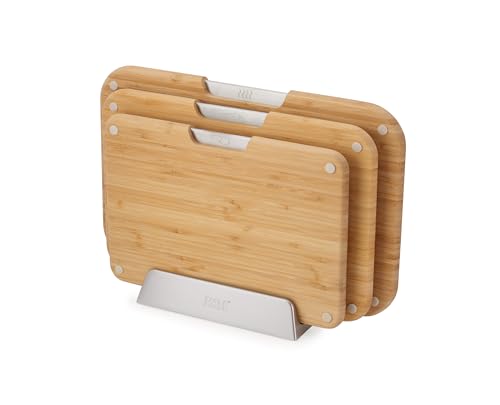
When it comes to durability, plastic products typically have the edge. They are resistant to moisture, temperature fluctuations, and wear and tear. However, bamboo is surprisingly strong and resilient, often used in items such as cutlery, kitchenware, and even furniture. For everyday use, bamboo products can effectively replace many plastic items, providing both aesthetic appeal and functionality.
People Also Look For:
- BOWEKAM Home & Garden-Table Top è„´80x2.5 cm Bamboo-Furniture Choice
- Bamworld Bathroom Shelf Storage Adjustable Bamboo shelf 3 Tiered Over Toilet Rack Bathroom Organizer for Space-Saving Wall Mount S...
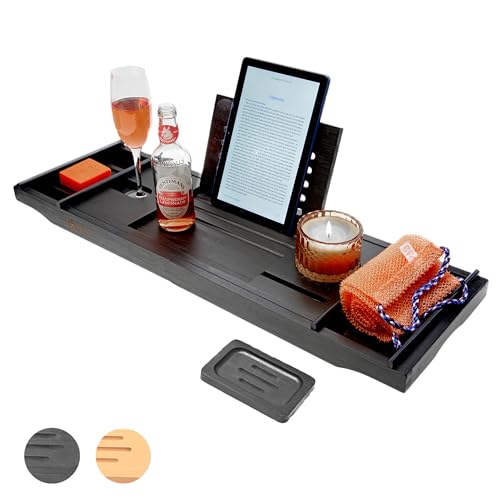
- Bamboo Bathtub Caddy Tray Bathroom Bath Tub Bridge with Extending Sides Built in Book Tablet Holder Cellphone Tray & Integrated Wi...
- Bamworld Bathroom Shelf Storage Adjustable Bamboo shelf 3-Tiered Over Toilet Rack Bathroom Organizer for Space-Saving Wall Mount S...
- Tiny Trees® Baby Muslin Cloths 6 Pack 70x70cm | Bamboo Cotton Baby Muslin Squares | Muslin Blanket Baby | Newborn & Baby Essentia...
Health and Safety Considerations
Another important factor to consider is health and safety. Many plastic products leach harmful chemicals, such as bisphenol A (BPA), especially when heated. In contrast, bamboo products are natural and free from synthetic additives, making them a safer choice for food and drink applications. When opting for bamboo, consumers can feel more confident in the safety of their products.
Cost Comparison
In the past, bamboo items were often more expensive than their plastic counterparts. However, as consumer demand grows, prices have become more competitive. While initial costs for bamboo products may still be higher, their longevity and biodegradability often make them a more economical choice in the long run. Investing in bamboo can reduce the frequency of replacement purchases that are common with disposable plastic items.
Popular Bamboo Products Versus Plastic Alternatives
There is a growing range of biodegradable bamboo items available on the market today. Popular options include bamboo utensils, toothbrushes, plates, and straws. These products not only serve daily needs but also minimise plastic waste. For example, bamboo toothbrushes are a fantastic alternative to traditional plastic brushes, which contribute significantly to landfill accumulation.
In contrast, plastic straws and cutlery are pervasive in fast food and takeaway services. While they are convenient, their environmental impact cannot be ignored. Switching to bamboo alternatives in these contexts can significantly reduce single-use plastic consumption and promote a more sustainable lifestyle.
Recycling and Disposal Options
When it comes to disposal, bamboo products have the advantage of biodegradability. They can be composted, returning nutrients to the earth. In contrast, most plastics are not recyclable and often end up in landfills or the ocean. For those committed to reducing their ecological footprint, choosing bamboo is a step toward a more sustainable future.
Making the Switch to Bamboo
If you are considering making the switch to bamboo, start by identifying key areas where you can replace plastic items in your home. Consider investing in bamboo kitchenware, personal care products, or even home decor. As you make these changes, you will contribute to a growing movement towards sustainability and environmental consciousness.